
Business
Soccer Ball vs Beach Soccer Ball: What’s the Difference?

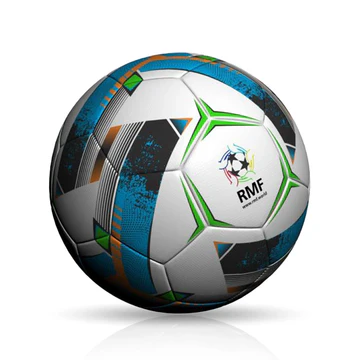
Football adapts to every surface, but the equipment changes with it. A beach soccer ball may look similar to a regular soccer ball, yet it performs very differently on sand. From touch and control to movement and gameplay, each detail connects to how and where the game is played.
As beach soccer continues to grow worldwide, more players want to understand what makes it unique. This guide breaks down the key differences between a standard soccer ball and a beach soccer ball. It also explains how each ball affects your game, helping you make the right choice based on your playing style and surface.
Are Beach Soccer Balls Different?
A beach soccer ball differs in construction, feel, and performance. Manufacturers design it specifically for sand-based play, where control and comfort matter more than power.
The outer surface feels softer to support barefoot play. At the same time, the ball uses lower air pressure, which reduces hardness and improves touch. This allows players to control the ball more easily during aerial movements.
In contrast, a regular soccer ball features higher air pressure and a firmer build. It supports strong passes, fast ground play, and consistent bounce on grass or turf.
These differences directly impact how the game is played.
Impact of Playing Surface on Ball Performance
The playing surface defines how the ball behaves during a match.
On grass or turf, a standard soccer ball rolls smoothly. Players rely on passing, positioning, and controlled dribbling to build attacks.
On sand, the situation changes completely. A beach soccer ball does not travel effectively along the ground. Players must lift the ball frequently, which shifts the focus toward aerial control.
As a result, the game becomes faster and more skill-driven. Players depend on quick reactions, balance, and creativity rather than structured passing sequences.
Size, Weight, and Pressure Differences
Both balls follow similar size standards, yet their internal setup creates a different playing experience.
A beach soccer ball typically weighs less and carries lower air pressure. This combination helps the ball stay in the air longer, which suits the nature of sand-based gameplay. It also reduces impact on bare feet.
A regular soccer ball, however, feels heavier and more compact. Higher pressure ensures better bounce and speed on solid surfaces. This supports long passes and powerful shots.
These variations may seem small, but they significantly affect control, movement, and overall gameplay.
How to Play Beach Soccer
Understanding how to play beach soccer helps explain why the ball design matters.
Each team consists of five players, including a goalkeeper. Matches run for 36 minutes, divided into three equal periods.
The game follows a no-draw format. If the score remains level, teams move into extra time and then penalties if needed.
Since sand limits movement and slows players down, the game relies heavily on technical skill. Players focus on lifting the ball, controlling it mid-air, and taking quick shots.
In this environment, a beach soccer ball plays a central role. Its softer feel and lighter weight support the style and pace of the game.
Key Gameplay Differences
The difference between the two balls becomes clearer during gameplay. In regular soccer, teams build attacks gradually. Players pass, reposition, and control the tempo before creating scoring chances.
In beach soccer, the approach shifts. A beach soccer ball encourages direct play. Players attempt shots more often and rely on instinct rather than structured buildup.
The smaller pitch and shorter match duration also increase intensity. Players remain involved throughout the game, which creates a more dynamic experience.
Best Beach Soccer Ball: What to Consider
Material and Surface Feel
Selecting the best beach soccer ball starts with the outer layer. A softer surface improves comfort and control during barefoot play. It also helps you manage quick touches and aerial moves more smoothly.
Weight and Ball Control
Lower weight plays a key role in performance. A lighter ball stays in the air longer, which supports volleys and controlled lifts. As a result, players handle the ball with more precision on sand.
Durability and Stitching
Sand can wear down materials quickly. So, strong stitching and quality finishing ensure the ball lasts longer. A durable build keeps performance consistent over time.
Buy Soccer Balls Online: Choosing the Right Option
Choose Based on Playing Surface
When you buy soccer balls online, always consider where you play most. Surface directly affects how the ball performs during a match.
Soccer Ball for Grass or Turf
For grass or turf, a standard soccer ball works best. It provides better bounce, supports ground passing, and maintains control during structured play.
Beach Soccer Ball for Sand
For sand-based games, a beach soccer ball offers the right balance of comfort and control. It adapts to the surface and supports aerial play more effectively.
Soccer Ball vs Beach Soccer Ball: Quick Comparison
| Feature | Soccer Ball | Beach Soccer Ball |
| Air Pressure | Higher | Lower |
| Weight | Heavier | Lighter |
| Surface | Grass or Turf | Sand |
| Playing Style | Ground Play | Aerial Play |
| Comfort | With Boots | Barefoot Friendly |
Conclusion
A beach soccer ball changes how players control, pass, and finish on sand. Choosing the right ball improves performance and comfort, so always match your equipment to your playing surface for the best results.

Stock prices tend to fluctuate rapidly while stock trading takes place. It is difficult for most people trading stocks to determine when to buy or sell their stocks. The moving averages technique helps to make the prices of stocks simpler by averaging out the trend of the market over a certain period of time.
There are many traders who depend upon charts and technical indicators for analysing the trends before making any decision. Moving averages enable traders to identify the upward and downward movement in prices in intraday trading. It enables the trader to make sure that he is not randomly entering trades.
Understanding Different Moving Averages
The simple moving average and the exponential moving average are two terms that are frequently applied by traders in the stock exchange. The Simple Moving Average involves averaging out the closing prices during a certain period. On the other hand, the Exponential Moving Average is quicker since it emphasizes recent price changes in the market.
Fast-moving averages are normally applied to trade fast-moving trades because they react very fast to changing prices. Long moving averages are slow-moving and help traders determine the general trend of the market. Traders normally apply both types of moving averages in order to determine the market momentum or market consolidation.
Traders normally check the location of prices relative to moving averages before initiating their trades. If prices trade above the moving averages, then this could mean that buyers are taking control of the market. If prices trade below the moving averages, then sellers are expected to dominate the session.
Identifying Entry Opportunities
Moving averages can be effectively used for determining the appropriate entry point into the trade when there are changes in the market situation. The traders typically enter into the trade once the price starts approaching the moving average line. This ensures that the traders capitalize on the trend without entering the market suddenly during high volatility.
Another commonly used trading indicator among traders is the moving average crossover. The crossing of a short-term moving average over a long-term one can be interpreted by traders as an uptrend signal. On the other hand, a downtrend in the price may be indicated if a long-term moving average rises over a short-term one.
The use of moving averages along with support and resistance levels may also be employed by many traders to gain more accurate signals. The reason behind the practice is that the method helps to analyse whether the trend has enough strength to continue. Charting and market-watching facilities offered by platforms such as HDFC SKY are also helpful to traders.
Understanding Exit Signals
Exiting is critical since market environment changes can occur rapidly when markets are trading. Moving averages assist in identifying the point where momentum is likely to slow after a market environment has experienced significant movement. Traders usually look for situations where prices cross below the moving average after rallying or above after falling.
The moving average indicator is used by traders as a trailing indicator for locking in gains in trend-based markets. As long as the price is above the moving average indicator, traders hold onto their positions. Once the price crosses the moving average indicator with strong momentum, traders lock in their gains.
ConclusionThe moving average is an important tool that has become popular due to its usefulness in trend identification and decision-making in the process of trading. Market monitoring software provided by HDFC SKY also assists in this regard. Learning such methods can support better market participation and improve confidence during demat account opening and regular trading activities. It assists traders in identifying the direction of the market, entry points, and potential exits.

Introduction
If you’ve recently come across the term jememôtre, you’re probably wondering what it actually means and why people are starting to talk about it. It’s not one of those mainstream buzzwords at least not yet but it’s steadily gaining attention in spaces related to productivity, digital systems, and smarter workflows.
What makes jememôtre interesting is that it’s not limited to one specific tool or platform. Instead, it represents a broader concept—a smarter, more efficient way of organizing tasks, managing time, and optimizing performance. In a world where people are constantly juggling multiple responsibilities, approaches like jememôtre are becoming increasingly valuable.
In this article, we’ll break down everything you need to know about jememôtre in a simple, practical, and easy-to-follow way. Whether you’re a beginner or someone looking to refine your workflow, this guide will give you real insights you can actually use.
What Is Jememôtre?
At its core, jememôtre is a flexible approach to improving productivity and efficiency. It focuses on combining organization, automation, and smart decision-making into one streamlined system. Instead of relying on scattered tools or random methods, jememôtre encourages a structured yet adaptable way of working.
One of the reasons jememôtre stands out is its versatility. It can be applied in different areas of life—personal productivity, business operations, or even creative projects. The idea is simple: reduce unnecessary effort while increasing meaningful output. That balance is what makes it so effective.
Another key aspect of jememôtre is its emphasis on clarity. Many people struggle with productivity because their systems are too complicated or inconsistent. Jememôtre promotes simplicity without sacrificing effectiveness, making it easier to stay consistent over time.
How Jememôtre Works in Real Life
Understanding how jememôtre works becomes much easier when you look at real-life scenarios. Imagine someone managing multiple daily tasks—emails, meetings, deadlines, and personal responsibilities. Without a clear system, things can quickly become overwhelming.
With jememôtre, the approach changes. Tasks are categorized, prioritized, and often automated where possible. Instead of reacting to everything at once, the user follows a structured flow that reduces stress and improves focus. This leads to better decision-making and more efficient use of time.
In a business setting, jememôtre can be even more powerful. Teams can use it to streamline workflows, reduce repetitive tasks, and improve collaboration. For example, instead of manually tracking progress, automated systems can handle updates, allowing team members to focus on more important work.
Key Features That Define Jememôtre
One of the reasons jememôtre is gaining attention is because of its practical features. These are not just theoretical ideas—they are actionable elements that can be applied immediately.
First, there’s workflow optimization. Jememôtre helps you organize tasks in a logical sequence, reducing confusion and wasted effort. When everything has a clear place and purpose, it becomes easier to stay on track.
Second, automation plays a major role. Repetitive tasks can drain time and energy, but jememôtre encourages automating those processes wherever possible. This not only saves time but also reduces the chances of errors.
Third, there’s performance tracking. Jememôtre isn’t just about doing tasks—it’s about doing them better. By monitoring progress and results, you can identify what’s working and what needs improvement.
Benefits of Using Jememôtre
The benefits of jememôtre go beyond simple productivity. It creates a noticeable difference in how you work and manage your time.
One major advantage is increased efficiency. When your tasks are organized and streamlined, you naturally get more done in less time. This doesn’t mean working harder—it means working smarter.
Another benefit is reduced stress. A clear system eliminates the feeling of being overwhelmed. Instead of constantly worrying about what to do next, you have a structured plan that guides you.
Jememôtre also improves consistency. Many people start strong but struggle to maintain their productivity over time. With a simple and effective system in place, it becomes much easier to stay consistent and build long-term habits.
How to Start Using Jememôtre
Getting started with jememôtre doesn’t require any complex setup. In fact, the best approach is to keep things simple in the beginning.
Start by identifying your main goals. What are you trying to improve—time management, task organization, or overall productivity? Having a clear objective makes it easier to build a system that works for you.
Next, organize your tasks into categories. This could be based on priority, type of work, or deadlines. The goal is to create a structure that makes sense and is easy to follow.
Finally, look for opportunities to automate. Even small changes—like setting reminders or using basic tools—can make a big difference. Over time, you can refine and expand your system as needed.
Common Mistakes to Avoid
While jememôtre is designed to simplify things, it’s still possible to make mistakes if you’re not careful.
One common mistake is overcomplicating the system. People often try to include too many features or steps, which defeats the purpose. Simplicity is key—start small and build gradually.
Another mistake is ignoring consistency. Even the best system won’t work if you don’t use it regularly. Make jememôtre a part of your daily routine to see real results.
Lastly, many users overlook the importance of reviewing their progress. Without regular evaluation, it’s hard to know what’s working and what needs improvement. Take time to adjust your system as you go.
Jememôtre for Personal vs Professional Use
One of the best things about jememôtre is its flexibility. It can be adapted for both personal and professional use, depending on your needs.
For personal use, jememôtre can help with daily routines, goal tracking, and time management. It’s especially useful for people who feel overwhelmed by their responsibilities and want a clearer structure.
In a professional setting, jememôtre becomes a powerful tool for improving workflows and team efficiency. Businesses can use it to streamline processes, reduce manual work, and improve overall performance.
The key difference lies in scale. Personal use is usually simpler, while professional use may involve more advanced systems and collaboration. However, the core principles remain the same.
The Future of Jememôtre
As digital tools and productivity strategies continue to evolve, concepts like jememôtre are likely to become even more important. People are constantly looking for ways to work smarter, not harder, and jememôtre fits perfectly into that trend.
In the future, we can expect more advanced automation, better integration with digital tools, and smarter ways to track performance. These improvements will make jememôtre even more effective and accessible.
At the same time, the core idea will remain unchanged: simplicity, efficiency, and consistency. These principles are timeless, and they’re what make jememôtre such a valuable approach.
Conclusion
Jememôtre is more than just a concept—it’s a practical way to improve how you manage your time, tasks, and overall productivity. By focusing on simplicity, automation, and structured workflows, it helps you achieve better results without unnecessary effort.
The beauty of jememôtre lies in its flexibility. Whether you’re managing personal goals or professional projects, it can be adapted to fit your needs. The key is to start small, stay consistent, and continuously refine your approach.
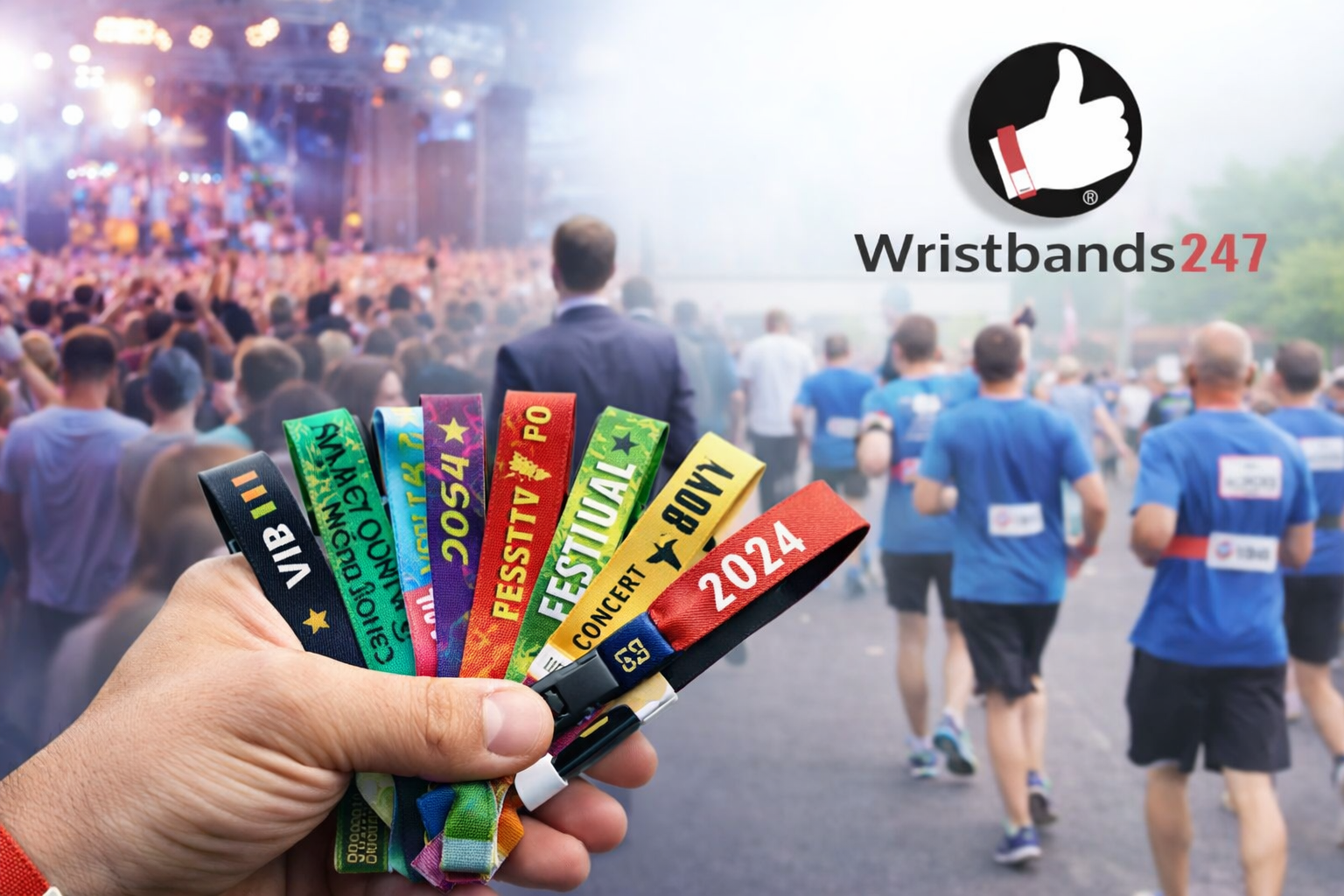
Event organizers are always looking for ways to improve both appearance and control, and one simple tool does both extremely well. fabric wristbands for events have become a popular choice for professionals who want a polished look while managing entry smoothly. These wristbands are not just functional, they add identity, style, and a sense of belonging to any gathering.
Why Fabric Wristbands Stand Out
Fabric wristbands offer a premium feel that paper or plastic options cannot match. When guests arrive at an event, the first physical interaction often comes from registration or entry points. A soft, well-designed wristband immediately creates a positive impression.
Here’s what makes them a strong choice:
- Comfortable for long wear, ideal for multi-day events
- Durable and resistant to tearing or fading
- Customizable with logos, colors, and text
- Difficult to transfer, improving security
These features make fabric wristbands for events suitable for both small gatherings and large-scale productions.
Perfect Fit For Festivals
Festivals are all about energy, color, and experience. Organizers need something that blends into the vibe while still serving a purpose. Fabric wristbands do exactly that.
At music festivals, attendees often wear wristbands as souvenirs long after the event ends. This turns a simple access tool into a branding asset. With woven designs or vibrant prints, organizers can match wristbands with the festival theme.
Benefits for festivals include:
- Easy identification of ticket types, such as VIP or general access
- Long-lasting material for multi-day use
- Visual appeal that enhances the overall atmosphere
When people keep wearing the wristband even after leaving, it extends the event’s presence beyond its actual duration.
Smart Choice For Conferences
Professional events require a balance between function and appearance. Conferences often host attendees from different industries, and presentation matters.
Fabric wristbands for events provide a clean and organized look without feeling too casual. They can be used alongside badges or as a replacement in certain setups.
Key advantages for conferences:
- Quick access control for sessions or restricted areas
- Branding opportunity with company logos or event names
- Comfortable wear during long networking hours
Organizers can also color-code wristbands to separate speakers, staff, and attendees, making management more efficient.
Essential For Concert Access Control
Concerts require strong security measures, especially when dealing with large crowds. Fabric wristbands are designed to stay secure once applied, which prevents misuse.
They help staff quickly identify authorized individuals without slowing down entry lines. This keeps the flow smooth and reduces confusion.
Common uses at concerts:
- Differentiating seating sections or backstage access
- Managing age-restricted areas
- Preventing ticket fraud through tamper-resistant locks
With clear branding and strong material, fabric wristbands for events help maintain order while keeping the experience enjoyable.
A Great Match For Charity Events
Charity events often focus on building emotional connections and encouraging participation. Small details can make a big difference in how attendees perceive the event.
Fabric wristbands can serve as both entry passes and symbolic items. Guests may continue wearing them as a reminder of the cause they supported.
Why they work well for charity events:
- Create a sense of unity among participants
- Promote awareness when worn after the event
- Offer customization for specific campaigns or messages
This adds value beyond access control and supports long-term engagement.
Customization That Builds Identity
One of the biggest strengths of fabric wristbands lies in customization. Organizers can design wristbands that reflect the event’s personality.
Customization options include:
- Woven or printed designs
- Unique color combinations
- Logos, slogans, or event dates
- Special patterns for different access levels
This flexibility allows every event to stand out. Whether it is a corporate gathering or a cultural festival, fabric wristbands for events can align perfectly with the theme.
Improving Guest Experience
Smooth entry and clear identification contribute directly to guest satisfaction. Nobody enjoys long lines or confusion at access points.
Fabric wristbands simplify the process:
- Quick scanning or visual checks
- Reduced need for repeated ticket handling
- Easy recognition by staff
Comfort also plays a role. Since these wristbands are soft and breathable, guests can wear them throughout the event without irritation.
Cost Efficiency Over Time
While fabric wristbands may seem more premium at first, they often provide better value in the long run. Their durability reduces the need for replacements, especially in multi-day events.
They also help prevent losses caused by ticket misuse or unauthorized access. This makes them a smart investment for organizers who want both quality and control.
Practical Tips For Event Organizers
To get the most out of fabric wristbands, planning is essential. Here are a few practical tips:
- Choose colors that match your event branding
- Use clear text that remains readable from a distance
- Order slightly more than expected to cover last-minute attendees
- Assign different designs for different access levels
Attention to these details ensures a smoother experience for both staff and guests.
Turning Wristbands Into Lasting Impressions
Fabric wristbands are no longer just tools for entry. They have evolved into branding elements that carry the identity of an event. From festivals filled with music to professional conferences and meaningful charity gatherings, their impact is visible and lasting.
When designed thoughtfully, they become part of the event story, something people remember, wear, and even share with others.

What are the technologies behind Water Purifiers?

How to Use Moving Averages to Determine Market Entry and Exit Points

How to Build a RADV Response Playbook Before the Audit Letter Arrives

SEO Agency in Australia UploadArticle: A Complete Guide for Businesses

AI Dance Meets AI Kissing Generator: Make Entertaining Videos Instantly
