
Tech
TRS80 ROMImage Model 1 1.3: A Deep Dive into Classic Computing


Introduction
The TRS80, one of the first mass-market personal computers, holds a special place in computing history. For enthusiasts and retro computing fans, the TRS80 ROMImage Model 1 1.3 is particularly notable because it represents a significant version of the Model I’s firmware, improving functionality and compatibility over earlier versions.
In this article, we’ll explore the ROMImage Model 1 1.3 in depth. We’ll discuss what it is, why it mattered to TRS-80 users, technical improvements, installation and usage tips, and its legacy in the world of vintage computing. Whether you are a hobbyist, historian, or retro software developer, understanding this ROMImage is essential for appreciating the evolution of early home computers.
What Is the TRS-80 ROMImage Model 1 1.3?
At its core, a ROMImage is a file that contains the read-only memory (ROM) code of a computer’s firmware. For the TRS-80 Model I, this ROM includes the system monitor, BASIC interpreter, and low-level hardware routines necessary for the computer to operate. The 1.3 version of the ROMImage brought several enhancements compared to earlier versions like 1.2 or 1.1.
Version 1.3 was officially released by Tandy/Radio Shack to address minor bugs in the earlier firmware and improve compatibility with newer peripherals and disk drives. It also refined the BASIC interpreter, fixing edge cases and improving error handling, which meant fewer frustrating crashes or unexpected behaviors during programming.
For modern users running TRS-80 emulators or working with restored hardware, having the correct ROMImage is essential. Using version 1.3 ensures that software designed for the Model I behaves as expected, especially titles that relied on updated system routines. It’s not just nostalgia—it’s about authenticity and reliability.
Technical Improvements in Version 1.3
The TRS-80 Model 1 1.3 ROMImage introduced several technical improvements over its predecessors. One of the main upgrades was better keyboard handling. Earlier ROM versions sometimes struggled with non-standard key inputs or rapid keypresses, which could result in missed characters or erratic behavior in software. Version 1.3 optimized the scanning routines, providing a smoother typing experience.
Another improvement was disk handling support. Model I users with disk drives often faced occasional read/write errors due to timing or compatibility issues. ROM 1.3 refined the cassette and disk interface routines, improving data integrity and reducing the likelihood of corrupted files. This made software distribution and archival more reliable, especially for business applications or educational programs that relied on floppy disks.
The BASIC interpreter also received tweaks in version 1.3. These changes were subtle but impactful. Error reporting became clearer, numeric calculations handled edge cases better, and certain commands that previously caused crashes in corner scenarios were stabilized. For programmers, this made writing and debugging BASIC programs less frustrating and more predictable.
Compatibility with Software and Peripherals
One of the reasons TRS-80 ROMImage Model 1 1.3 became widely adopted was enhanced software and peripheral compatibility. Earlier ROM versions sometimes caused programs to fail or behave inconsistently. Games, productivity applications, and educational software that relied on undocumented system routines often failed to run on ROM versions prior to 1.3.
Peripheral support was another highlight. Users connecting printers, external drives, or even early modems benefited from firmware-level fixes in version 1.3. The routines for serial and parallel communication were refined, meaning that devices worked more reliably with minimal tweaking. This improvement contributed to the TRS-80’s reputation as a versatile home and business computer.
For retro computing enthusiasts today, version 1.3 ensures a smoother experience when running software through emulators like MAME or LS-DOS. Many emulators allow you to load specific ROMImages to replicate authentic hardware behavior. Using 1.3 guarantees that programs behave as intended, making it a preferred choice for collectors and historians alike.
Installing and Using the ROMImage
Installing the TRS-80 ROMImage Model 1 1.3 depends on whether you are working with original hardware or an emulator. For original Model I computers, replacing the ROM chips requires careful handling. Users must remove the existing ROM chips and insert new ones programmed with the 1.3 firmware. Proper grounding and static precautions are essential to avoid damaging the delicate electronics.
For emulators, the process is simpler. You simply load the 1.3 ROMImage file through the emulator’s interface. Most modern TRS-80 emulators support multiple ROM versions, allowing you to switch between 1.2, 1.3, or even beta firmware builds for testing purposes. Once loaded, the emulator will behave identically to an authentic Model I running that ROM version.
Once installed, users can test the functionality by loading BASIC programs or disk-based software. Many emulators include utilities to verify ROM integrity and check peripheral emulation. Ensuring proper installation helps prevent unexpected crashes and provides the authentic TRS-80 experience that hobbyists and developers seek.
Legacy of the TRS-80 ROMImage Model 1 1.3
The impact of ROMImage 1.3 extends beyond just technical improvements. It represents a snapshot of early personal computing evolution. The fixes and refinements show how Tandy responded to real-world user feedback, addressing common issues and improving reliability in a rapidly growing market.
For retro enthusiasts, version 1.3 is the “gold standard” for Model I operations. Many historical software collections rely on this firmware, and having the correct ROMImage is essential for archiving and preserving software in a usable state. This ensures that future generations can experience TRS-80 programs as they were originally intended.
Finally, the ROMImage 1.3 demonstrates the importance of firmware evolution in early computers. Unlike modern systems with frequent over-the-air updates, early personal computers required physical ROM upgrades to improve functionality. Studying ROM 1.3 provides insight into early software-hardware integration and the careful engineering that enabled stable, versatile home computing.
Why Retro Enthusiasts Still Value Version 1.3
Even decades after its release, TRS-80 ROMImage Model 1 1.3 remains highly relevant in the retro computing community. Collectors, emulator developers, and vintage programmers value this version because it represents the most stable and compatible iteration of the Model I firmware.
For those restoring original hardware, 1.3 ensures that modern storage solutions, such as compact flash or SD adapters, work more reliably with legacy programs. For emulation purposes, 1.3 guarantees consistent behavior, enabling accurate reproduction of historical computing environments.
Additionally, learning about ROMImage 1.3 provides insight into the early challenges of personal computing, such as memory limitations, peripheral integration, and BASIC programming constraints. These lessons are valuable for historians, educators, and hobbyists interested in understanding the roots of modern computing.
Final Thoughts on TRS-80 ROMImage Model 1 1.3
The TRS-80 ROMImage Model 1 1.3 is more than just a firmware file—it’s a critical piece of computing history. By refining keyboard handling, disk support, and BASIC stability, it represents Tandy’s commitment to improving user experience during the early era of personal computers.
Whether you are a collector restoring original hardware, a retro programmer exploring classic software, or an emulator user seeking authenticity, version 1.3 provides the stability, compatibility, and performance needed to fully experience the TRS-80 Model I.
In essence, ROMImage 1.3 bridges the past and the present, allowing modern enthusiasts to relive the excitement of early personal computing while appreciating the engineering challenges and solutions that defined this iconic machine.
Introduction
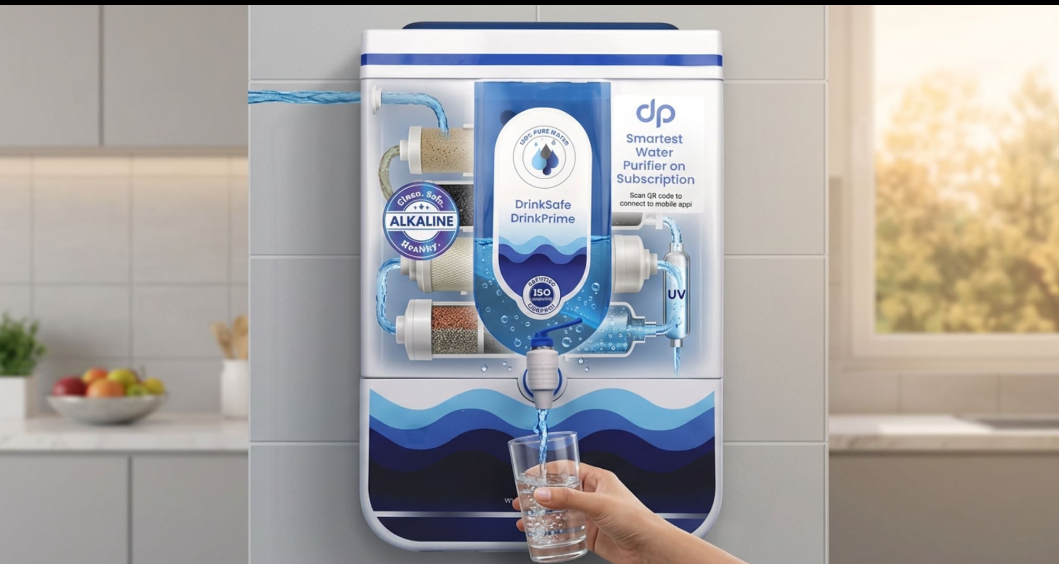
Have you ever looked at your water purifier and thought about the technologies behind it?Honestly, most of us don’t think twice or thrice. We just fill our bottles, drink the water and move on, and we trust the simple machine without knowing what is really inside it and what they are doing.
Here is the simple truth: your water purifier is not just doing one job, but it uses several methods to clean your water. Some remove dirt and chemicals, some kill germs, and some just make the water taste better. In this blog, we’ll explore the technologies behind a water purifier in a way that’s easy to understand.
Let’s Understand the Technologies Behind the Water Purifier
- Reverse Osmosis
Reverse Osmosis or RO basically pushes water via a semi-permeable membrane so that the dissolved salts, heavy metals, and even some chemicals don’t make it through. If your water comprises high TDS or Total Dissolved Solids, which is common in many parts of India, RO becomes important here. It removes all the things like arsenic, lead, and excess amounts of salts that you definitely don’t want in your drinking water.
But here’s one fact: RO not only removes the bad elements that are present in the water, but strips away essential minerals. Don’t overthink that, because nowadays modern RO systems are designed to add those minerals back, making sure that your water stays balanced and it is safe to consume.
Ultraviolet (UV) Purification
Ultraviolet or UV water purification makes use of ultraviolet light to destroy bacteria, viruses, and microorganisms by damaging their DNA. So even if they are present, they can reproduce. UV water purification makes sure that your drinking water is microbiologically safe.
Activated Carbon Filtration
An activated carbon filter might sound technical while reading this, but it is the simplest and most helpful part of a water purifier. Activated carbon filters improve the overall quality of the water, and they trap things like bad smells, chlorine, and certain chemicals that affect how your water tastes and smells. So whenever you drink water, the water feels fresher, cleaner, and much more pleasant.
However, it’s important to know that activated carbon is not a complete solution on its own. While it makes your water taste and smell better, it cannot remove heavy contaminants like dissolved salts, metals, or bacteria. That’s why it’s usually combined with other purification technologies in a water purifier.
Sediment Filters
A sediment filter is the first line of defence in any water purifier, especially if you are new to understanding how these systems work. Its job is simple, but it is very important to remove visible particles like sand, dirt, and rust from the water before it moves on to more advanced filtration stages. And by doing this, it completely protects delicate components like RO membranes from clogging or damage, helping the entire system last longer and work more efficiently.
Why Choose DrinkPrime
Now let’s talk about something practical. Nowadays, buying a water purifier is not always simple. You don’t just pick one, you have to choose correctly, maintain it, replace filters and deal with servicing.
That’s where DrinkPrime changes the game a bit. So, instead of making you commit to one machine, it offers water purifiers on a subscription model. DrinkPrime water purifier combines RO, UV, and activated carbon filter so that you are covered whether your issue is TDS, bacteria, or taste.
And honestly, that flexibility matters more than people think. Because water quality isn’t static, it changes with seasons, supply, and location shifts.
Summary
In summary, at the end of the day, a water purifier is not just a machine sitting in your kitchen; it’s a combination of technologies working together to make your water clean and safe to drink. From removing visible dirt to eliminating contaminants and improving taste, each technology plays its own role in protecting your health. Moreover, one simple fact is that none of the technologies can do it alone, so modern water purifiers combine multiple filtration methods to give you complete protection. And when it comes to choosing the ideal solution, convenience matters just as much as technology. With options like DrinkPrime, you don’t get access to advanced water purification, so you also avoid the hassle of maintenance and upgrades.

Introduction
In today’s fast-moving digital world, new platforms and online communities appear almost every day. Some disappear quickly, while others gain attention and slowly build a loyal user base. One such name that has recently started gaining curiosity is Aimpcity. Whether you’ve stumbled upon it while browsing or heard someone mention it, you might be wondering what it actually is and why people are talking about it.
Aimpcity is often described as a growing digital hub that blends content sharing, community interaction, and modern online tools into one place. While it may not yet be as widely known as major platforms, it’s attracting users who are looking for something fresh and less crowded. In this article, we’ll explore Aimpcity in detail—what it is, how it works, its features, benefits, and what the future might hold.
What is Aimpcity?
Aimpcity can be understood as an online platform designed to bring people together through shared interests, content creation, and digital interaction. Unlike traditional social media platforms that focus heavily on followers and popularity metrics, Aimpcity leans toward building meaningful engagement and niche communities.
One of the key aspects of Aimpcity is its flexibility. Users can join different types of communities, share ideas, upload content, and interact with others in a more relaxed environment. This makes it appealing to individuals who want to express themselves without the pressure of mainstream platforms.
Another important point is that Aimpcity is still evolving. Because of this, it often introduces new features and updates based on user feedback. This dynamic approach gives it an edge, especially among early adopters who enjoy being part of a growing digital space.
Key Features of Aimpcity
1. Community-Centered Design
Aimpcity places a strong emphasis on communities rather than just individual profiles. Users can join or create groups based on their interests—whether it’s technology, entertainment, education, or hobbies.
This structure allows for deeper discussions and more focused interactions. Instead of scrolling endlessly through mixed content, users can spend time in spaces that truly match their interests. It makes the experience more personalized and less overwhelming.
Additionally, community moderation tools help maintain a positive environment. This ensures that conversations remain respectful and productive, which is something many users appreciate.
2. Content Sharing and Creation
Content is at the heart of Aimpcity. Users can share posts, images, and even longer-form content depending on the platform’s current features. The goal is to encourage creativity and give users the freedom to express their ideas.
Unlike platforms that prioritize viral content, Aimpcity often highlights content based on relevance and engagement within specific communities. This means even smaller creators have a chance to be noticed.
Moreover, the platform may include tools that help creators improve their content, making it easier for beginners to get started without needing advanced technical skills.
3. User-Friendly Interface
One of the standout features of Aimpcity is its simple and clean interface. It is designed in a way that even new users can easily navigate without confusion.
The layout focuses on clarity, ensuring that users can quickly find communities, posts, and interaction options. This ease of use is a big advantage, especially for those who feel overwhelmed by complex platforms.
Additionally, the design often minimizes distractions like excessive ads or clutter, making the overall experience smoother and more enjoyable.
How Aimpcity Works
Aimpcity operates on a straightforward model that combines elements of social networking and online forums. Once you sign up, you can customize your profile and start exploring different communities.
Users can interact by liking, commenting, and sharing posts within their chosen groups. Over time, the platform learns your preferences and suggests communities or content that might interest you.
Another interesting aspect is how engagement is valued. Instead of just counting likes, Aimpcity may focus on meaningful interactions, such as discussions and feedback. This helps build stronger connections among users.
As you spend more time on the platform, you can also build your own presence by contributing valuable content and participating in conversations.
Benefits of Using Aimpcity
1. Less Pressure, More Authenticity
Many popular platforms create pressure to gain followers or likes. Aimpcity offers a more relaxed environment where users can share content without worrying too much about numbers.
This encourages authenticity. People feel more comfortable expressing their true opinions and ideas, which leads to more genuine interactions.
2. Niche Communities
Aimpcity is ideal for people who have specific interests. Instead of being lost in a sea of unrelated content, users can join communities that align with their passions.
This makes it easier to connect with like-minded individuals and learn from others who share similar goals or hobbies.
3. Opportunities for Growth
Because Aimpcity is still growing, early users have the opportunity to establish themselves quickly. Whether you’re a content creator, a writer, or just someone who enjoys sharing ideas, this platform gives you room to grow.
It’s also a great place to experiment with content without the fear of harsh competition or strict algorithms.
Challenges and Limitations
While Aimpcity has many advantages, it’s important to look at the challenges as well.
One of the main limitations is its relatively small user base compared to major platforms. This means that content reach might be limited, especially for those looking for large audiences.
Another challenge is the evolving nature of the platform. While updates are exciting, they can sometimes lead to changes that users need to adjust to. Stability and consistency are areas that may improve over time.
Additionally, like any online platform, maintaining quality content and preventing misuse requires continuous moderation efforts.
Who Should Use Aimpcity?
Aimpcity is suitable for a wide range of users, but it particularly appeals to certain groups.
Content creators who are just starting out will find it easier to build an audience here. The lower competition and supportive environment make it a great place to gain confidence.
Students and learners can also benefit from the platform’s community-driven approach. It’s a good place to ask questions, share knowledge, and engage in meaningful discussions.
Even casual users who simply want a break from mainstream social media will enjoy the calmer and more focused experience Aimpcity offers.
Future Potential of Aimpcity
The future of Aimpcity largely depends on how it continues to evolve and adapt to user needs. If it maintains its focus on community engagement and user-friendly design, it has the potential to grow significantly.
As more people look for alternatives to crowded social platforms, Aimpcity could become a popular choice. Its emphasis on authenticity and niche communities aligns well with current digital trends.
There is also potential for new features such as monetization options for creators, advanced content tools, and improved discovery systems. These additions could make the platform even more attractive.
Conclusion
Aimpcity is an emerging digital platform that offers a refreshing approach to online interaction. With its focus on communities, meaningful engagement, and user-friendly design, it stands out from traditional social media platforms.
While it still has room to grow and improve, its current features make it a promising option for users who value authenticity and connection. Whether you’re a content creator, a learner, or simply someone exploring new online spaces, Aimpcity is worth checking out.
As the platform continues to evolve, it will be interesting to see how it shapes its identity and attracts a wider audience. For now, it represents a new wave of digital platforms that prioritize quality over quantity—and that’s something many users are looking for.
Tech
Pragmatichoki22 .com: A Complete Guide to Understanding Its Purpose Features and Online Presence
Introduction to Pragmatichoki22 .com
In today’s fast-moving digital world, new websites and platforms appear almost daily, each aiming to capture attention in its own unique way. One such name that has started gaining curiosity is pragmatichoki22 .com. Whether you’ve come across it through online searches, recommendations, or digital communities, it’s natural to wonder what this platform is all about.
At first glance, pragmatichoki22 .com may seem like just another domain name. However, names like this often carry deeper implications tied to specific niches, industries, or online trends. Understanding such platforms requires looking beyond the surface and analyzing their structure, naming pattern, and potential purpose.
In this article, we’ll explore pragmatichoki22 .com from multiple angles. We’ll break down what the name suggests, how it may function, its possible role in digital ecosystems, and what users should consider when interacting with similar platforms. This expert-style yet easy-to-follow guide will help you gain a clear understanding of this emerging keyword.
Breaking Down the Name: What Does Pragmatichoki22 .com Mean?
To understand pragmatichoki22 .com, it helps to analyze the components of the name itself. The term appears to be a combination of three distinct elements: “pragmatic,” “hoki,” and “22.” Each part may hint at the platform’s intended identity or niche.
The word “pragmatic” typically refers to a practical, results-oriented approach. In digital contexts, it often relates to efficiency, usability, or real-world functionality. This suggests that the platform might be designed with user experience or practical outcomes in mind.
“Hoki” is a term that can have multiple meanings depending on cultural context. In some regions, it is associated with luck, fortune, or chance-based activities. This interpretation is particularly relevant in online entertainment spaces, where such terms are commonly used to attract attention.
The number “22” could represent many things. It might be a branding choice, a version identifier, or simply a unique addition to make the domain name stand out. Numbers are often used in domain names to ensure availability and memorability.
Possible Purpose and Niche of Pragmatichoki22 .com
While the exact nature of pragmatichoki22 .com may vary, its naming pattern suggests that it could belong to a niche within online entertainment or digital platforms. Many websites with similar structures are designed to provide interactive experiences, services, or content tailored to specific audiences.
One possibility is that the platform is مرتبط with online gaming or entertainment. The combination of “pragmatic” and “hoki” aligns with naming conventions often seen in gaming-related platforms, where practicality meets excitement. Such platforms typically focus on user engagement, accessibility, and dynamic features.
Another possibility is that pragmatichoki22 .com serves as a content hub or informational site. It could provide guides, updates, or resources related to a particular topic. In this case, the unique name helps differentiate it from competitors while attracting a niche audience.
Regardless of its exact purpose, the key takeaway is that pragmatichoki22 .com likely aims to carve out a specific space within the digital ecosystem. Its unique name is a strategic choice that supports this goal.
User Experience and Interface Expectations
When exploring a platform like pragmatichoki22 .com, user experience plays a crucial role. Modern users expect websites to be fast, responsive, and easy to navigate. A well-designed interface can significantly impact how users perceive and interact with the platform.
If pragmatichoki22 .com is designed effectively, it should offer a clean layout with intuitive navigation. Users should be able to find what they are looking for without unnecessary complexity. This includes clear menus, organized content, and responsive design for mobile devices.
Another important aspect is performance. Slow loading times or technical issues can quickly drive users away. Platforms that prioritize speed and reliability tend to retain users more effectively and build a stronger reputation over time.
Additionally, visual design matters. A professional and appealing design not only attracts users but also builds trust. Colors, typography, and overall aesthetics should align with the platform’s purpose and audience.
SEO and Digital Visibility of Pragmatichoki22 .com
From an SEO perspective, pragmatichoki22 .com is an interesting case. Its uniqueness gives it a strong advantage in search engine rankings, especially for exact-match queries. Unlike generic keywords, this term faces little competition, making it easier to rank for.
Content creators and digital marketers can leverage this by creating targeted content around the keyword. Articles, blogs, and guides that include “pragmatichoki22 .com” naturally can help establish authority and improve visibility. Over time, this can lead to increased traffic and recognition.
Another advantage is brand recall. Unique keywords are easier to remember, which can lead to direct searches and repeat visits. This is particularly valuable in building a loyal audience.
However, it’s important to maintain balance. Overusing the keyword can harm readability and user experience. The best approach is to integrate it naturally within high-quality content, ensuring that it adds value rather than feeling forced.
Safety and Trust Considerations
Whenever you encounter a relatively unknown website like pragmatichoki22 .com, it’s important to approach it with a level of caution. The internet is vast, and not all platforms are equally reliable or secure.
One of the first things to check is the website’s security features. Look for indicators such as HTTPS encryption, which helps protect user data. A secure connection is a basic requirement for any trustworthy platform.
Another factor is transparency. Reliable websites typically provide clear information about their purpose, ownership, and policies. If such information is missing or unclear, it may be a sign to proceed carefully.
User reviews and feedback can also provide valuable insights. While not always definitive, they can help you understand the experiences of others and identify potential issues.
The Role of Pragmatichoki22 .com in Digital Trends
The emergence of platforms like pragmatichoki22 .com reflects broader trends in the digital world. Unique domain names and niche-focused platforms are becoming increasingly common as the internet continues to grow and diversify.
One major trend is personalization. Users are looking for platforms that cater to specific interests rather than generic, one-size-fits-all solutions. Names like pragmatichoki22 .com suggest a targeted approach, which aligns with this trend.
Another trend is the importance of branding. In a crowded online space, standing out is essential. Unique and memorable names help platforms capture attention and build identity.
Additionally, there is a growing emphasis on community. Many modern platforms aim to create spaces where users can interact, share experiences, and build connections. If pragmatichoki22 .com follows this approach, it could become more than just a website—it could evolve into a community hub.
Future Potential of Pragmatichoki22 .com
Looking ahead, the future of pragmatichoki22 .com depends on how it is developed and managed. A strong foundation combined with consistent updates and user-focused improvements can lead to long-term success.
If the platform continues to evolve, it could expand its features, attract a larger audience, and establish itself as a recognized name within its niche. This requires a clear vision, effective marketing, and a commitment to quality.
There is also potential for diversification. Pragmatichoki22 .com could branch into different areas, offering additional services or content that complement its core purpose. This can help it stay relevant in an ever-changing digital landscape.
Ultimately, success will depend on user trust and engagement. Platforms that prioritize these elements tend to thrive, while those that neglect them often struggle to maintain relevance.
Conclusion
Pragmatichoki22 .com is a compelling example of how unique domain names can spark curiosity and create opportunities in the digital world. While its exact purpose may vary, its structure and naming suggest a platform designed to stand out and attract a specific audience.
From its potential role in online entertainment to its advantages in SEO and branding, pragmatichoki22 .com highlights the importance of creativity and strategy in building an online presence. At the same time, users should remain mindful of safety and reliability when exploring new platforms.
As the digital landscape continues to evolve, names like pragmatichoki22 .com remind us that innovation often begins with something as simple as a unique idea. Whether you’re a user, a creator, or a marketer, understanding such platforms can help you stay ahead in an increasingly competitive online environment.

What are the technologies behind Water Purifiers?

How to Use Moving Averages to Determine Market Entry and Exit Points

How to Build a RADV Response Playbook Before the Audit Letter Arrives

SEO Agency in Australia UploadArticle: A Complete Guide for Businesses

AI Dance Meets AI Kissing Generator: Make Entertaining Videos Instantly
