Tools
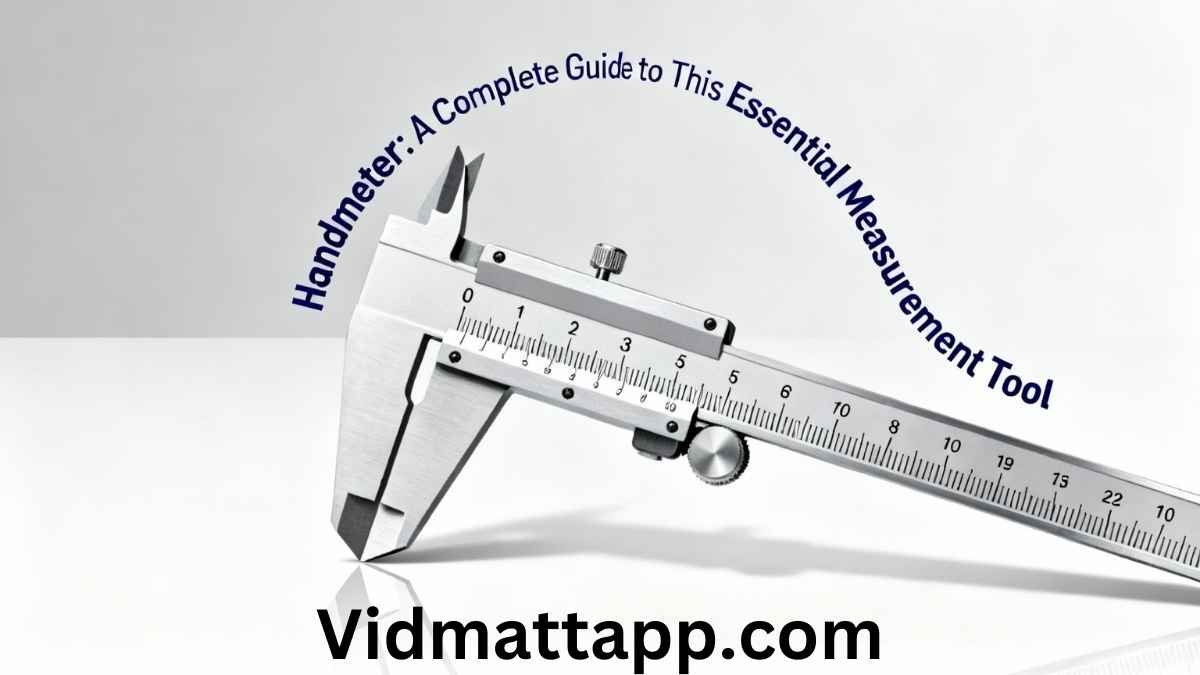
Handmeter: A Complete Guide to This Essential Measurement Tool

Introduction
In a world driven by precision, measurement tools play a critical role in both professional and everyday environments. One such tool that often flies under the radar is the handmeter. Compact, versatile, and highly practical, the handmeter has become an essential instrument across multiple industries, from electrical work to environmental testing.
Despite its simple appearance, a handmeter is capable of delivering accurate, real-time data that helps users make informed decisions. Its portability makes it especially valuable for fieldwork, where bulky equipment is impractical. Over time, handmeters have evolved to include advanced features that rival larger, stationary devices.
This article takes a deep dive into what a handmeter is, how it works, where it’s used, and why it remains relevant in a technology-driven world. Whether you’re a professional or just curious, this guide will give you a clear, expert-level understanding.
What Is a Handmeter?
A handmeter is a handheld measuring device designed to assess specific physical, electrical, or environmental parameters. Depending on its type, it may measure voltage, current, resistance, temperature, sound levels, light intensity, or other variables. The defining feature is its portability and ease of use.
Unlike fixed measurement systems, a handmeter is designed for mobility. It fits comfortably in the hand, allowing users to take readings on the spot without complex setup. This makes it ideal for technicians, engineers, inspectors, and hobbyists who need quick and reliable measurements.
Modern handmeters often include digital displays, auto-ranging capabilities, and memory functions. These upgrades have transformed the handmeter from a basic tool into a smart device capable of handling complex measurement tasks with minimal effort.
How a Handmeter Works
The working principle of a handmeter depends on the parameter it is designed to measure. Electrical handmeters, for example, use internal sensors and probes to detect voltage or current, converting analog signals into digital readings displayed on the screen.
Environmental handmeters operate using specialized sensors such as thermistors, photodiodes, or microphones. These sensors respond to changes in temperature, light, or sound and translate those changes into measurable data. The internal circuitry processes this information and presents it in an easy-to-read format.
What makes a handmeter user-friendly is its automation. Many models automatically adjust measurement ranges and compensate for minor fluctuations. This reduces the margin of error and allows users to focus on interpretation rather than technical setup.
Common Types of Handmeters
There are several types of handmeters, each designed for specific applications. One of the most common is the digital multimeter, widely used in electrical and electronics work. It measures voltage, current, resistance, and continuity, making it a versatile all-in-one tool.
Another popular category includes environmental handmeters, such as sound level meters, light meters, and temperature meters. These are commonly used in construction, environmental monitoring, and workplace safety assessments. Their compact size allows for easy on-site evaluations.
Specialized handmeters also exist for niche applications, such as moisture meters for building inspections or gas detectors for industrial safety. Despite their different purposes, all handmeters share the same core advantage: accurate measurement in a portable form.
Practical Applications of Handmeters
Handmeters are widely used in professional settings where speed and accuracy matter. Electricians rely on them to diagnose wiring issues, verify power levels, and ensure safety compliance. Without a reliable handmeter, troubleshooting electrical systems would be far more time-consuming.
In environmental and industrial sectors, handmeters help monitor conditions that affect safety and performance. Measuring noise levels, air quality, or temperature ensures compliance with regulations and protects workers from hazardous conditions. These measurements often need to be taken on-site, making portability essential.
Handmeters are also valuable for DIY enthusiasts and students. They provide an accessible way to learn about measurement principles and experiment safely. For many people, a handmeter is the first step into understanding how systems work at a deeper level.
Advantages of Using a Handmeter
One of the biggest advantages of a handmeter is convenience. Its compact design allows users to carry it anywhere, making it perfect for fieldwork and quick checks. There’s no need for external power sources or complex installations.
Accuracy is another key benefit. High-quality handmeters are designed to deliver precise readings, even in challenging environments. Many models include calibration features that maintain accuracy over time, ensuring consistent performance.
Durability also plays a major role. Most handmeters are built to withstand drops, dust, and temperature changes. This ruggedness makes them reliable tools in demanding work conditions, where fragile equipment would quickly fail.
Choosing the Right Handmeter
Selecting the right handmeter depends largely on your specific needs. The first step is identifying what you need to measure. Electrical work requires different features than environmental monitoring, so choosing a specialized device is often more effective than a general-purpose one.
Build quality and accuracy ratings should also be considered. A professional-grade handmeter may cost more, but it offers better reliability and longer lifespan. For casual or occasional use, a simpler model may be perfectly sufficient.
Ease of use is another important factor. A clear display, intuitive controls, and auto-ranging features can make a significant difference, especially for beginners. A good handmeter should simplify the task, not complicate it.
Maintenance and Proper Use of a Handmeter
Proper maintenance is essential to keep a handmeter performing accurately. Regular calibration ensures that readings remain reliable over time. Many manufacturers recommend periodic checks, especially for professional use.
Storage also matters. Keeping a handmeter in a protective case prevents damage from dust, moisture, and physical impact. Batteries should be checked regularly, as low power can affect measurement accuracy.
Using the handmeter correctly is just as important as maintaining it. Following manufacturer guidelines and safety instructions helps prevent damage to the device and ensures accurate results. A well-maintained handmeter can last for years with consistent performance.
The Future of Handmeter Technology
Handmeters are evolving rapidly as technology advances. Many modern devices now include wireless connectivity, allowing data to be transferred directly to smartphones or computers. This makes data logging and analysis more efficient than ever.
Smart features such as touchscreens, cloud integration, and AI-assisted diagnostics are becoming more common. These upgrades turn the handmeter into a connected tool that fits seamlessly into modern workflows.
Despite these advancements, the core purpose of the handmeter remains unchanged: providing accurate measurements in a portable format. As long as precision and mobility are needed, the handmeter will continue to be a vital tool.
Final Thoughts on Handmeters
The handmeter may be small, but its impact is significant. From professional environments to personal projects, it provides reliable data that supports informed decisions. Its versatility and ease of use make it one of the most practical measurement tools available.
Understanding how a handmeter works and how to choose the right one empowers users to work more efficiently and safely. It’s a tool that rewards knowledge and proper handling with long-term reliability.
In an age where accuracy matters more than ever, the handmeter stands as a perfect example of how compact design and smart engineering can deliver powerful results.

Introduction
When it comes to modern construction and architectural detailing, gutters play a much more important role than people often realize. They are not just functional elements designed to redirect rainwater—they also contribute to the overall aesthetics and structural longevity of a building. One specialized tool that has gained attention in construction and manufacturing circles is the VK Calais gutter mold. Whether you’re a contractor, builder, or someone interested in architectural fabrication, understanding VK Calais gutter molds can help you achieve better results in both form and function.
In this comprehensive guide, we’ll explore what VK Calais gutter molds are, how they work, why they’re valuable, and how professionals use them to create durable and visually appealing gutter systems.
Understanding What VK Calais Gutter Molds Are
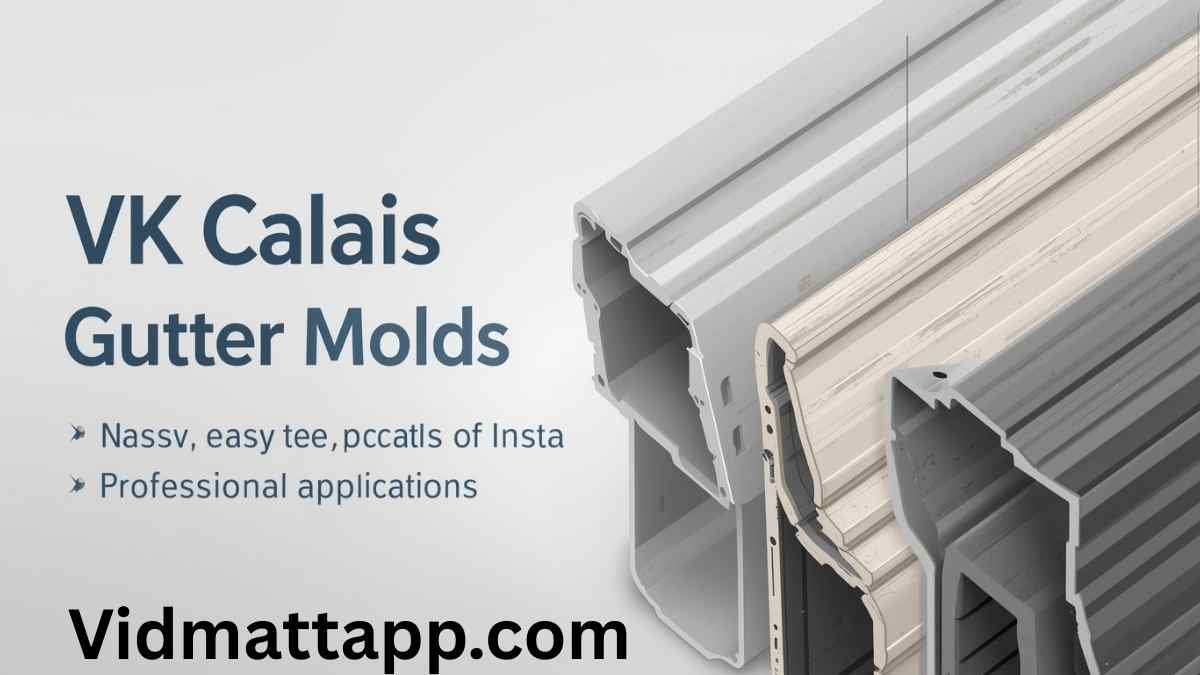
VK Calais gutter molds are specialized forms or shaping tools used to create gutters with precise dimensions and consistent design. These molds are typically used in manufacturing environments or on-site fabrication setups to shape materials such as metal, PVC, aluminum, or other construction-grade materials into gutter profiles. The main purpose of these molds is to ensure uniformity and accuracy in gutter production.
The term “Calais” often refers to a specific design profile. Gutter profiles can vary widely depending on architectural style and regional preferences. Some profiles are modern and minimalistic, while others are more decorative and traditional. VK Calais gutter molds are associated with a particular profile that combines both functionality and aesthetic appeal, making them suitable for a variety of building types.
Another important aspect of these molds is their ability to streamline production. Instead of manually shaping gutter components—which can lead to inconsistencies—VK Calais gutter molds allow manufacturers and contractors to produce identical pieces repeatedly. This improves efficiency, reduces waste, and ensures professional-quality results.
How VK Calais Gutter Molds Work in Fabrication
The process of using VK Calais gutter molds involves shaping raw materials into the desired gutter form. Typically, sheet metal or plastic material is placed into or passed through the mold. The mold applies pressure and guidance to shape the material into the precise gutter profile. This process can be done manually or with automated machinery, depending on the scale of production.
One of the key advantages of using molds is precision. Without molds, achieving exact dimensions repeatedly would be extremely difficult. Even small variations in gutter shape can affect water flow and installation compatibility. VK Calais gutter molds eliminate this problem by ensuring that each gutter piece is identical.
Another important factor is efficiency. With the right mold setup, manufacturers can produce large quantities of gutters in a short time. This is especially valuable for large construction projects, where consistency and speed are critical. Contractors can rely on molds to meet tight deadlines without sacrificing quality.
Key Features That Make VK Calais Gutter Molds Stand Out
One of the most notable features of VK Calais gutter molds is their precision engineering. These molds are designed with exact measurements to ensure that every gutter produced meets strict quality standards. This level of precision is essential for proper installation and effective water management.
Durability is another standout feature. VK Calais gutter molds are typically made from high-quality materials such as hardened steel or industrial-grade alloys. These materials allow the molds to withstand repeated use without losing their shape or accuracy. This makes them a reliable long-term investment for manufacturers and contractors.
Additionally, these molds offer design consistency. In architectural projects, maintaining a uniform look is extremely important. VK Calais gutter molds ensure that every gutter section matches perfectly, contributing to a clean and professional appearance.
Benefits of Using VK Calais Gutter Molds in Construction Projects
One of the biggest benefits of using VK Calais gutter molds is improved efficiency. Contractors and manufacturers can produce gutters faster and with fewer errors. This reduces labor costs and speeds up project timelines, which is especially important in large-scale construction.
Another major benefit is enhanced quality. When gutters are made using molds, they are more likely to meet structural and functional standards. Properly shaped gutters allow water to flow smoothly, reducing the risk of leaks, overflow, and water damage to the building.
Cost savings are also a significant advantage. While molds require an initial investment, they help reduce material waste and minimize production errors. Over time, this leads to lower overall costs and better profitability for manufacturers and contractors.
Applications of VK Calais Gutter Molds in Different Industries
VK Calais gutter molds are used in a variety of industries, including residential construction, commercial building projects, and industrial manufacturing. In residential construction, these molds help create gutters that protect homes from water damage while enhancing their appearance.
In commercial construction, the importance of reliable gutter systems is even greater. Large buildings require efficient water management systems to prevent structural damage. VK Calais gutter molds help ensure that gutters perform effectively and last for many years.
Manufacturing facilities also use these molds to produce gutter components for distribution and sale. By using molds, manufacturers can maintain consistent quality across all products, which helps build customer trust and satisfaction.
Maintenance and Longevity of VK Calais Gutter Molds
Proper maintenance is essential to ensure the longevity and performance of VK Calais gutter molds. Regular cleaning helps prevent debris buildup, which can affect the mold’s accuracy. Keeping molds clean ensures consistent production quality.
Lubrication is another important aspect of maintenance. Applying appropriate lubricants reduces friction and prevents wear and tear. This helps extend the life of the mold and ensures smooth operation during production.
Storage also plays a role in mold longevity. Molds should be stored in a dry, controlled environment to prevent corrosion and damage. Proper care ensures that VK Calais gutter molds remain effective for years.
Choosing the Right VK Calais Gutter Mold for Your Needs
Selecting the right mold depends on several factors, including material type, production volume, and project requirements. Contractors should choose molds that are compatible with the materials they plan to use, whether aluminum, steel, or plastic.
Another important consideration is mold quality. Investing in high-quality molds ensures better performance and longer lifespan. Cheaper molds may save money initially but often wear out faster and produce inconsistent results.
It’s also important to consider scalability. If you plan to increase production in the future, choosing molds that can handle higher volumes will help you avoid additional costs later.
The Future of Gutter Mold Technology
As construction technology continues to evolve, gutter mold technology is also improving. Modern molds are becoming more precise, durable, and efficient. Advances in manufacturing processes allow for even greater accuracy and faster production.
Automation is another trend shaping the future of gutter mold technology. Automated systems can use molds to produce gutters with minimal human intervention. This increases efficiency and reduces labor costs.
Sustainability is also becoming a priority. New mold designs and materials are helping manufacturers reduce waste and improve environmental impact. This aligns with the growing focus on sustainable construction practices.
Conclusion: Why VK Calais Gutter Molds Are Essential in Modern Construction
VK Calais gutter molds play a critical role in modern construction and manufacturing. They provide precision, efficiency, and consistency, which are essential for producing high-quality gutter systems. Whether used in residential, commercial, or industrial projects, these molds help ensure reliable water management and professional results.
Their durability and long-term cost benefits make them a valuable investment for contractors and manufacturers. By using VK Calais gutter molds, professionals can improve productivity, reduce waste, and deliver superior products.
As construction technology continues to advance, VK Calais gutter molds will remain an important tool for achieving both functional and aesthetic excellence. For anyone involved in gutter fabrication or construction, understanding and using these molds is a smart step toward better results and greater efficiency.

What are the technologies behind Water Purifiers?

How to Use Moving Averages to Determine Market Entry and Exit Points

How to Build a RADV Response Playbook Before the Audit Letter Arrives

SEO Agency in Australia UploadArticle: A Complete Guide for Businesses

AI Dance Meets AI Kissing Generator: Make Entertaining Videos Instantly
